
What Questions Should You Ask When Renting Office Space?
The questions to ask when renting an office space should clarify the total monthly cost, agreement length, included services, access, privacy, technology, meeting space, parking, and room to adjust as your business changes. Tour more than one option and get material answers in writing.
A private office, coworking membership, meeting room, and traditional office lease can create different responsibilities for the renter. One may bundle furniture and internet, while another leaves those details to the tenant. Use this checklist during tours and when comparing written proposals.
Start With Your Must-Haves Before You Tour
Before a tour, write down what the workspace needs to do. Include regular users, days on-site, client visits, privacy needs, video meetings, secure documents, work hours, and likely growth or contraction. Let these needs, not a polished lobby, guide the visit.
Create a scorecard for budget, location, workspace, services, and flexibility. Rank each item as non-negotiable, important, or optional. Bring it to every tour.
Questions to Ask When Leasing Office Space About Cost and Terms
The most useful questions to ask when leasing office space begin with the full financial commitment, not the advertised rate. Ask each provider to separate recurring charges, one-time charges, and costs that may change. For a traditional lease and a serviced office, use the same categories. You can compare the full monthly cost of Denver office space before choosing a pricing model.
1) What Is the All-In Monthly Cost, and What Can Change?
Ask what the monthly price includes and what it does not. Depending on the arrangement, expenses may include furniture, utilities, internet, cleaning, parking, reception support, shared meeting space, mail handling, security, and after-hours access. Ask about deposits, setup fees, move-out charges, and annual increases. Request the answer in writing. Questions to ask when leasing an office space are easier to compare when providers use the same categories.
2) How Long Is the Agreement, and What Happens if Our Needs Change?
Ask about the initial term, notice period, renewal process, and options if your team grows, contracts, or changes its schedule. Find out whether you can move to a larger office, reduce space, or end early. Have a qualified adviser review any transfer, sublease, or renewal provision you do not understand.
3) Who Handles Repairs, Maintenance, and Changes to the Space?
Clarify who receives repair requests, which repairs are covered, and what approval is needed to alter the space. A traditional lease may place more responsibility on the tenant. The written agreement should confirm the arrangement.
Questions About Location, Access, and the Client Experience
An office can meet your space needs and still be inconvenient. The U.S. Small Business Administration notes in its guidance on choosing a business location that location can affect costs, rules, and access. Evaluate the surrounding area as carefully as the suite itself.
4) Is the Location Convenient for the People Who Will Use It?
Drive the likely commute at a realistic time. Ask about parking, transit access, building entry, elevators, and accessibility. Consider whether clients can find the building and whether the route from parking to reception feels clear.
5) What Are the Actual Access and Guest Procedures?
Ask when you can enter the building and workspace, including weekends or after-hours if that matters. Confirm guest check-in, delivery, mail, package, and visitor-authorization procedures. Ask the representative to walk you through the process from arrival to departure.
What to Look for When Touring a Coworking Space or Executive Office
What to look for when touring a coworking space goes beyond the décor. The same applies to a private executive office or shared business center. Test the workspace as if it were a normal workday: sit where you would work, listen for nearby sound, and picture a private call or client visit.
6) Does the Workspace Support Focused and Confidential Work?
Notice whether conversations travel between offices, desks, hallways, and meeting rooms. Ask where you can handle confidential calls, video conferences, or sensitive documents. Look at door locks, storage, workspace separation, and quieter rooms.
7) Are Meeting Rooms and Shared Amenities Usable When You Need Them?
Ask how many rooms are available, how they are reserved, whether your agreement includes usage time, and what happens when a room is booked. Check room size, guest capacity, equipment, and fees. Reviewing available Denver meeting rooms can help you identify the room setups and tools that matter.
8) Will the Technology Support Your Work?
Ask whether internet is included, whether a wired connection is available, how guest Wi-Fi works, and who handles support. If you will purchase a separate plan, compare its price, speed, fees, data allowance, and terms. The FCC’s consumer guide to broadband labels explains the categories that providers disclose for many fixed and mobile broadband plans. Confirm the details for your exact setup rather than assuming every office arrangement includes the same service.
9) Does the Front-of-House Experience Match Your Business?
Follow the route visitors will take. Look at reception, waiting space, restrooms, directional signs, and common areas. Ask whether staff greet guests, how calls are answered, and how visitor notifications work.
Questions to Ask When Leasing a Traditional Office
A conventional commercial lease may include responsibilities handled in a serviced arrangement. For a broader comparison, review executive office space versus a traditional office lease. The questions to ask when renting an office space are similar in either case, but a traditional lease can shift more operational work to the tenant.
10) What Is Included in the Premises, and What Must We Arrange Ourselves?
Ask whether you are paying for usable or rentable space and what shared areas are part of the calculation. Confirm responsibility for furniture, utilities, cleaning, internet, insurance, security, and build-out. Put material conditions or services in the written documents.
11) What Use, Improvements, and Responsibilities Does the Lease Allow?
Ask what business activities the space permits, whether you can add signage or make improvements, and what condition the office must be in when you leave. Clarify insurance, repair, approval, and restriction requirements. Use a qualified adviser for contract interpretation.
If You Only Need a Room or Occasional Workspace
The questions to ask when renting a room differ from those for a dedicated office. Confirm the booking window, setup time, cancellation policy, guest limit, equipment, privacy, and staff assistance. If you need a professional address or occasional room access rather than daily workspace, a virtual office program may be worth comparing with a recurring room rental.
For an hourly or daily room, ask whether the reservation includes presentation tools, video conferencing, beverages, reception support, and cleanup time. Ask what happens if the meeting runs long.
Compare Written Answers Before You Decide
After each tour, update your scorecard. Compare written answers on price, inclusions, access, privacy, technology, meeting-room availability, and flexibility. Do not treat a vague promise as an included service. Choose the workspace that fits your normal work pattern.
Frequently Asked Questions
What questions should I ask when renting an office space? - Ask about the complete monthly cost, agreement term, included services, access hours, technology, privacy, parking, meeting rooms, maintenance, and options if your space needs change. Request key details in writing so you can compare each office on the same basis.
What should I look for when touring a coworking space? - Check noise, visual and sound privacy, technology, meeting-room access, guest procedures, security, shared amenities, and agreement terms. Spend enough time in the space to understand a normal workday.
Are questions to ask when renting a room different from leasing an office? - Yes. Room rentals require close attention to booking rules, equipment, guest limits, cancellation, setup time, and privacy. A dedicated office also requires questions about ongoing access, services, maintenance, and the agreement that governs the longer-term relationship.
Should I ask for a written list of what is included? - Yes. A written list makes proposals easier to compare and reduces assumptions about costs or services. The final agreement still controls.
Bring This Checklist to Your Denver Tech Center Office Tour
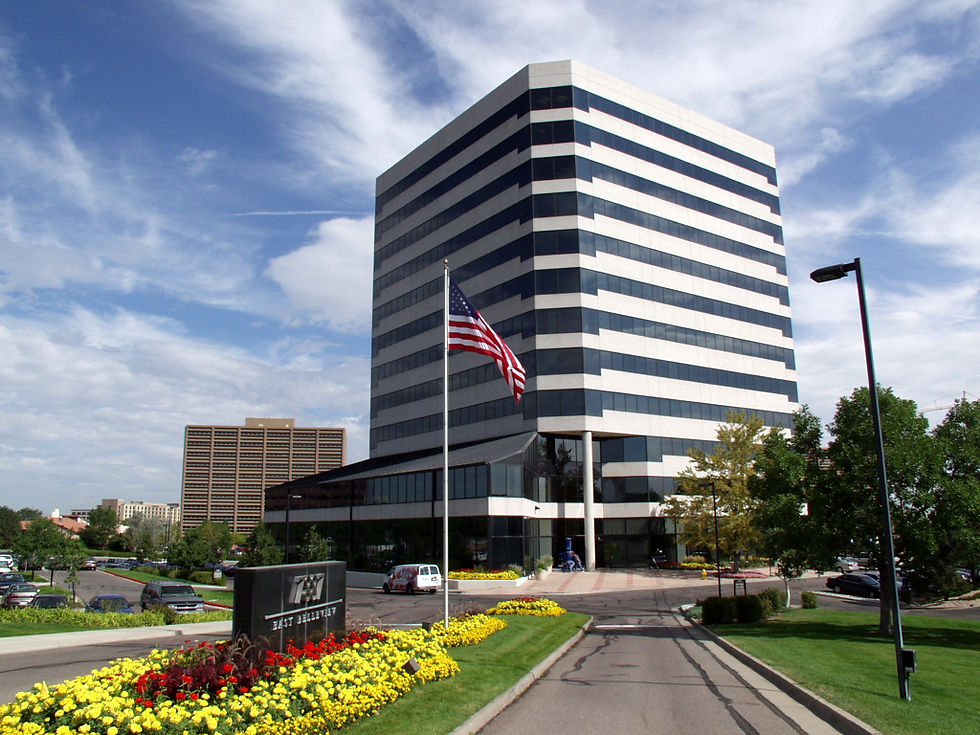
If you are ready to rent an office, bring these questions to a showing and compare the answers with your actual needs. Explore full-time Denver office space, then schedule a showing with Executive Business Centers to discuss the workspace, amenities, and agreement options that fit your business.


Comments